When you’re redoing your exterior in Winnipeg, the choice feels personal fast. You want a home that looks right in every season, stands strong through bitter cold and blowing snow, and doesn’t turn into a running repair list a few winters from now. That’s exactly why comparing metal siding with vinyl, wood, and fiber-cement siding matters so much in Winnipeg.
At IroSteel Ltd, we work with homeowners who need more than a nice finish. In this Prairie climate, siding has to protect your home, support the wall system behind it, and handle real Manitoba weather without constant fuss. If you’re weighing metal siding in Winnipeg against other popular materials, keep reading.
Why Siding Choice Matters In Winnipeg’s Climate
Winnipeg sees some of the toughest weather in Canada, including deep cold, sudden warm-ups, refreezing, Prairie wind, blowing snow, summer heat, hail, and shoulder-season moisture, and homeowners across Alberta, British Columbia, and Saskatchewan face the same extremes. That’s why choosing the best siding is less about looks or the lowest quote than about how a material handles freeze-thaw cycles, wind loads, moisture intrusion, thermal movement, and long-term upkeep. At IroSteel Ltd, we remind homeowners that siding is just one part of a bigger wall assembly: Insulation, air sealing, and moisture control usually matter more to energy performance than cladding alone, including a water-resistive barrier (house wrap), an air barrier, proper flashing, often a breathable membrane and rainscreen gap, plus continuous insulation to reduce thermal bridging.
The reason the choice matters so much is that materials react differently when Prairie weather swings hard. Vinyl expands and contracts the most and can buckle if poorly fastened; wood faces moisture cycling, paint failure, swelling, and rot; fiber-cement and James Hardie stay more stable and hold colour on sunny exposures, though edges can chip and cut ends need sealing; and metal moves with temperature, but when properly detailed, handles expansion well and won’t absorb water like wood. Price matters too, but square-foot pricing never tells the whole story, since removal, sheathing repairs, trim, flashing upgrades, insulation, and wall-condition surprises all shift the real number, and local performance depends just as much on installation quality as on the siding you choose.
Metal Siding Vs. Vinyl, Wood, And Fiber-Cement: A Quick Comparison
If you want the short version, vinyl usually wins on upfront price, wood wins on natural warmth, fiber-cement wins on traditional curb appeal with durability, and metal wins on toughness and low upkeep. The best fit depends on what matters most to you: Budget, maintenance, lifespan, style, or return over time.
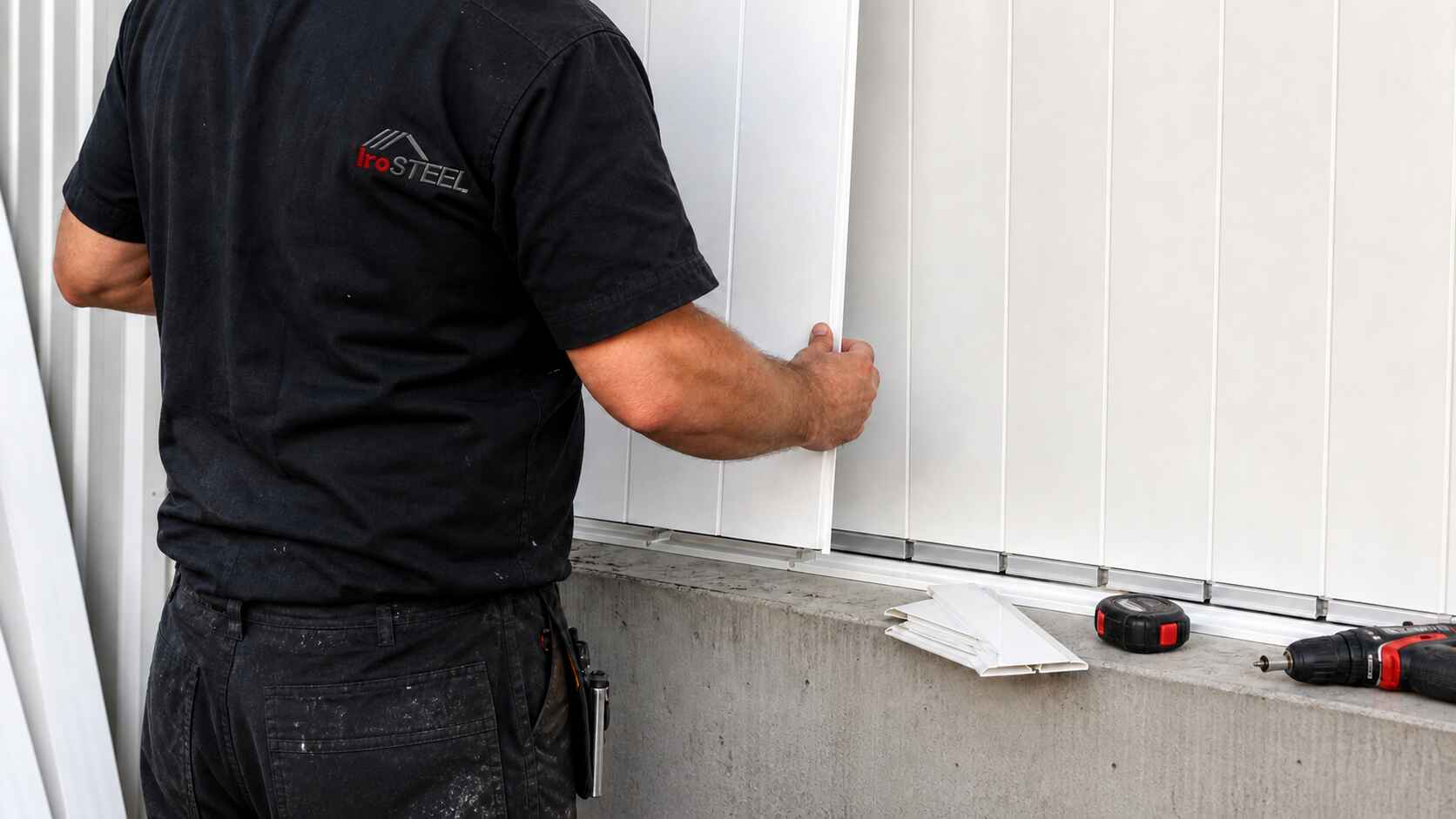
At IroSteel Ltd, we sell metal siding panels in Winnipeg for homeowners who want strength, crisp lines, and long-term performance in Manitoba weather. Professional steel siding doesn’t just compete on looks. It solves problems that store-bought or lower-cost alternatives simply can’t solve well, especially when your priority is durability over decades.
Here’s a quick side-by-side view:
| Material | Upfront Cost | Durability | Maintenance | Style Fit | Best For |
| Metal | Higher | Excellent | Low | Modern to transitional | Long-term ownership, harsh weather |
| Vinyl | Lowest | Fair to good | Low | Broad, budget-
friendly |
Rentals, resale prep, budget updates |
| Wood | Mid to high | Fair | High | Authentic traditional | Character homes, design-first projects |
| Fiber-
Cement |
Mid to high | Very good | Moderate | Premium traditional to modern | Long stays, resale-
minded owners |
Here’s the more Winnipeg-specific view competitors usually skip:
| Material | Freeze-
Thaw Resistance |
Hail Resistance | Wind Resistance | Moisture Tolerance | Fire Resistance | Repair-
ability |
Lifecycle Cost |
| Metal | Excellent | Good, but can dent | Excellent | Excellent | Excellent | Moderate | Low to moderate |
| Vinyl | Fair | Fair to poor, can crack | Fair | Good if dry behind, poor if trapped moisture leads to movement | Lower than metal or fiber-cement | Moderate | Moderate |
| Wood | Fair | Fair | Good when maintained | Poor to fair | Lower | Good in small sections | High |
| Fiber-
Cement |
Very good | Extremely impact-
resistant, though edges can chip |
Very good | Very good | Excellent | Moderate to difficult | Moderate |
Fiber-cement siding is made from cement, sand, water, and cellulose fiber, and most products are produced by mixing ingredients, forming them into sheets or planks, applying a texture, and curing them in a high-pressure steam autoclave. Many homeowners know it through James Hardie products. It gives you the look of painted wood, can be painted in any colour, and offers strong fire resistance, strong pest resistance, and better moisture performance than natural wood. Still, it isn’t carefree: It should be cleaned regularly, repainted every 10 to 15 years, and maintained with sound caulking and edge protection. Cutting fiber-cement siding also generates silica dust that is toxic to breathe.
Wood siding has genuine warmth, and for some homes, it’s still the most beautiful option. But beauty comes with work. In Winnipeg, moisture cycling and repeated freezing can lead to peeling paint, swelling, splitting, and rot if maintenance slips.
Vinyl siding stays popular because it’s affordable and easy to install. That’s real value for the right home. But low upfront cost isn’t the same as low lifetime cost if cracked panels, fading, or storm damage lead to repeated repairs.
For many Winnipeg homes, engineered wood siding and fiber-cement sit in the middle. They offer a better look than entry-level vinyl and lower upkeep than natural wood. Metal usually lands near fiber-cement on upfront cost, then starts to pull ahead when you look at decades instead of day-one pricing, though metal siding often requires specialized tools and experienced installers.
Which Siding Handles Cold, Moisture, And Wind Best?
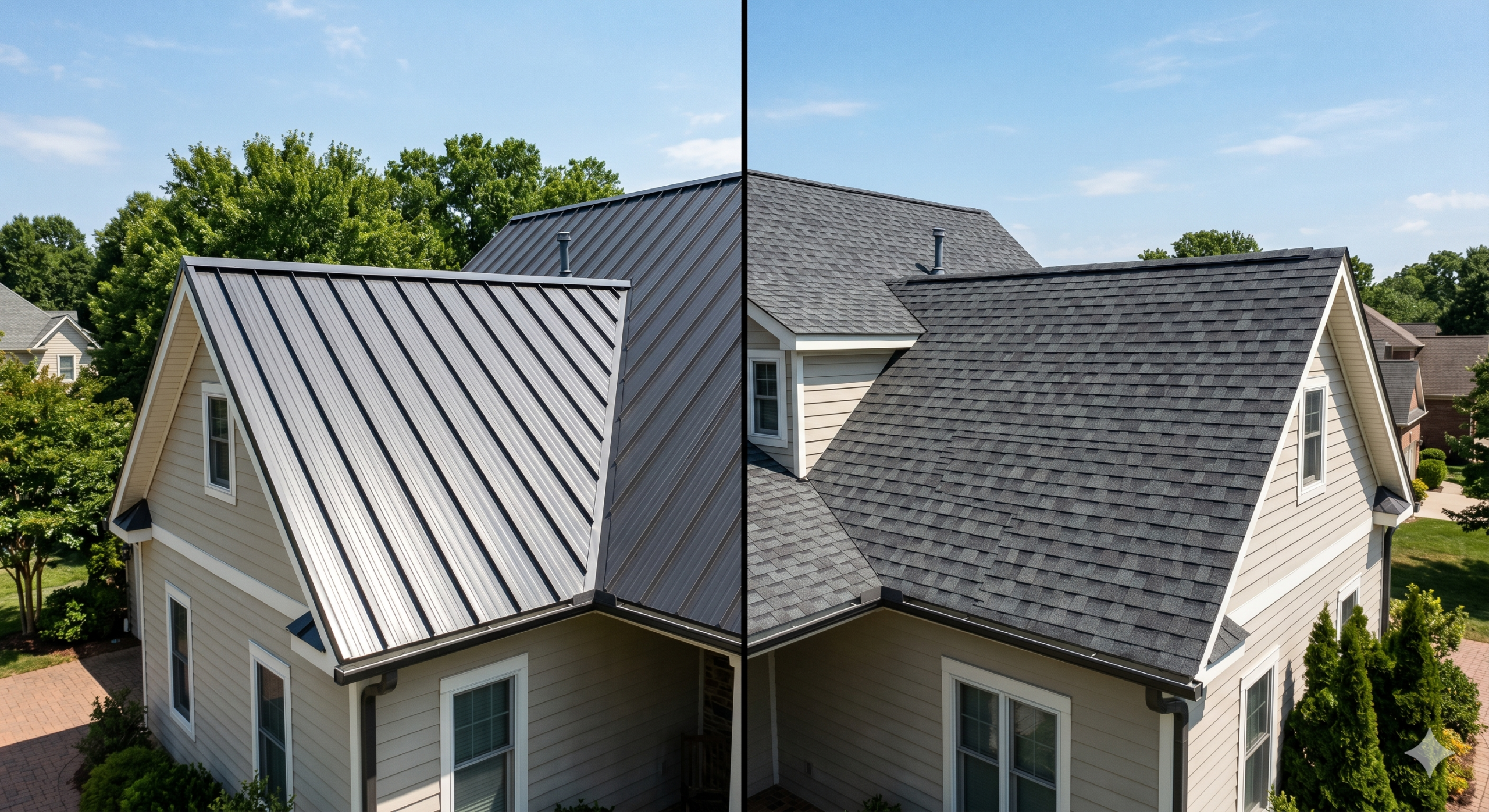
For Winnipeg winters, metal and fiber-cement are usually the strongest overall performers, though they fail differently. Metal stands up to Prairie wind, impact, pests, and moisture; it won’t rot or crack in deep cold the way vinyl can, and because modern steel panels are galvanized with a factory coating, rust is far less common than people expect when edges and scratches are treated correctly (more in our Galvalume roofing explained guide). Its weak points are hail denting on thinner panels and oil-canning on some profiles, both manageable with good fastening and panel selection. Fiber-cement is very stable through temperature swings and resists hail, fire, and pests without warping like wood or going brittle like vinyl, but it’s heavy, labour-intensive to install, and prone to chipped edges during handling. Vinyl works on many homes yet shows its limits faster here, growing brittle in deep cold, cracking under hail, and rippling or loosening if movement isn’t accommodated through correct nailing. Wood is the most weather-sensitive of the group: Winnipeg moisture and freeze-thaw punish paint, joints, and exposed end grain, and once water gets in, swelling and rot follow.
At IroSteel Ltd, we put as much weight on what’s behind the cladding as on the cladding itself, because even a durable product fails early over a weak wall assembly. Professional installation here means breathable moisture-resistant membranes, proper flashing, drainage, sound fastening, movement allowances, and real drying potential. Two other options are worth a look for specific goals: Composite siding resists impact and severe weather well, while stone veneer, whether natural or manufactured, delivers strong visual impact at the cost of a more labour-intensive, complex install, since thin stone slices or moulded veneers must be mounted to backing boards or lath.
Cost, Lifespan, And Long-Term Value Of Popular Siding Materials
The initial quote and the real ownership cost are two different things. That’s why we like looking at lifecycle cost instead of chasing the cheapest installed number.
Here’s the practical framework:
| Ownership Horizon | Best Fit | Why |
| 5 Years or Less | Vinyl | Lower upfront cost, faster install, good for resale prep or rentals |
| 10 to 15 Years | Fiber-Cement or Better-Grade Vinyl | Better appearance, stronger durability, balanced return on investment (ROI) |
| 20+ Years or Forever Home | Metal or Premium Fiber-Cement | Long lifespan, lower maintenance burden, better long-term value |
A rough way to think about lifespan in Manitoba is this:
| Material | Typical Lifespan Range | Main Long-Term Cost Drivers |
| Metal | 30 to 50+ years | Occasional panel repair, finish wear in isolated areas |
| Vinyl | 20 to 30 years | Storm damage, cracking, fading, replacement of brittle sections |
| Wood | 15 to 30+ years | Painting, sealing, rot repair, board replacement |
| Fiber-Cement | 30 to 40+ years | Repainting, caulking, upkeep, replacing chipped or broken boards |
Over 10 years, vinyl usually keeps ownership costs low if the installation is good and damage is limited. Over 20 years, fiber-cement and metal start to look stronger. Over 30 years, wood’s maintenance bill usually becomes the heaviest, while metal often looks smartest for homeowners who want to stay put.
At IroSteel Ltd, we help homeowners separate sticker price from long-term ROI. That’s especially important in Winnipeg, where a cheap install that ignores movement, flashing, or moisture control can erase any early savings.
Maintenance Requirements For Metal, Vinyl, Wood, And Fiber-Cement Siding
Siding isn’t just a design choice. It’s a commitment to a certain level of upkeep.
Vinyl is popular because it usually needs little more than washing. But “low-maintenance” doesn’t mean “maintenance-free.” Cracked panels, melted sections near heat sources, fading, and storm damage still happen. Matching older colours later can also be harder than people expect.
Wood sits at the opposite end. It can look rich and welcoming, but it asks more from you. Regular painting or staining, spot repairs, caulking, and close attention to moisture are part of the deal. If you want the real wood look, that’s fine. It’s just worth going in with open eyes.
Fiber-cement is a nice middle ground. It gives you a premium look with far less rot risk than wood, but it still needs repainting over time. Caulk joints and painted cut edges deserve attention, too. It isn’t a zero-maintenance material, and that’s one of the biggest myths around it.
Metal is one of the lowest-maintenance choices when it’s installed properly. Washing is simple, and you don’t have the same repaint cycle you get with wood or painted fiber-cement. At IroSteel Ltd, we like metal for homeowners who want durability without a long seasonal to-do list. Our woodgrain metal siding finishes also show that low-maintenance doesn’t have to mean cold or industrial-looking.
Style, Curb Appeal, And Design Flexibility Across Siding Types
Performance matters, but so does the feeling when you pull into the driveway and love what you see. Wood still offers unmatched authenticity for character properties, with natural grain and warmth that keep its emotional appeal alive despite the upkeep; vinyl delivers a wide style range at a friendlier price for practical updates, though it lacks the depth and richness of higher-end products; and fiber-cement, including James Hardie, is a favourite for polished, traditional exteriors that convincingly mimic painted wood, suit classic and newer homes alike, and can boost resale through strong curb appeal.
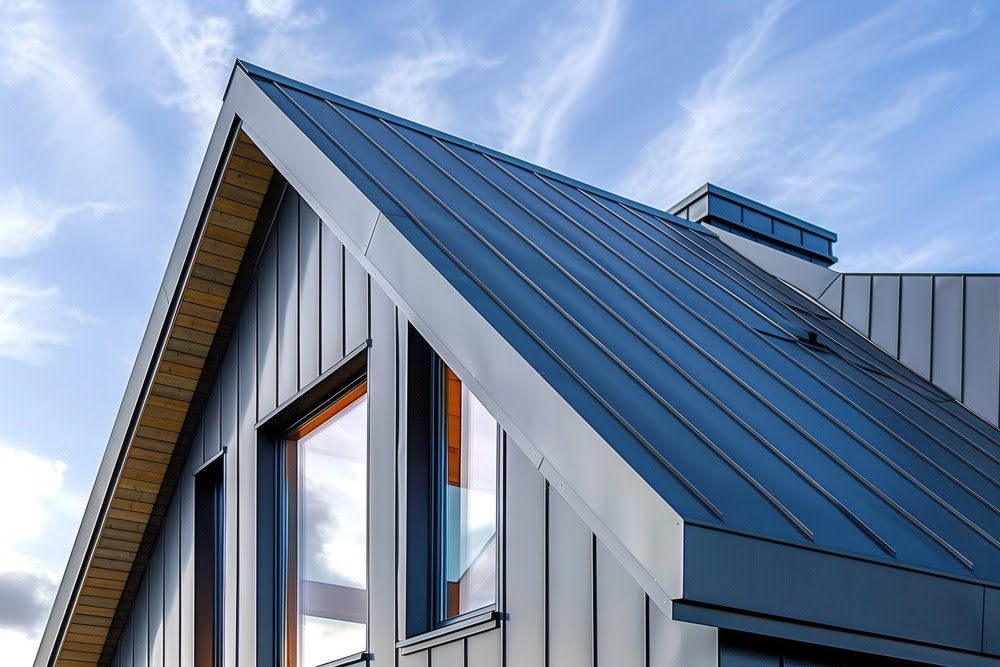
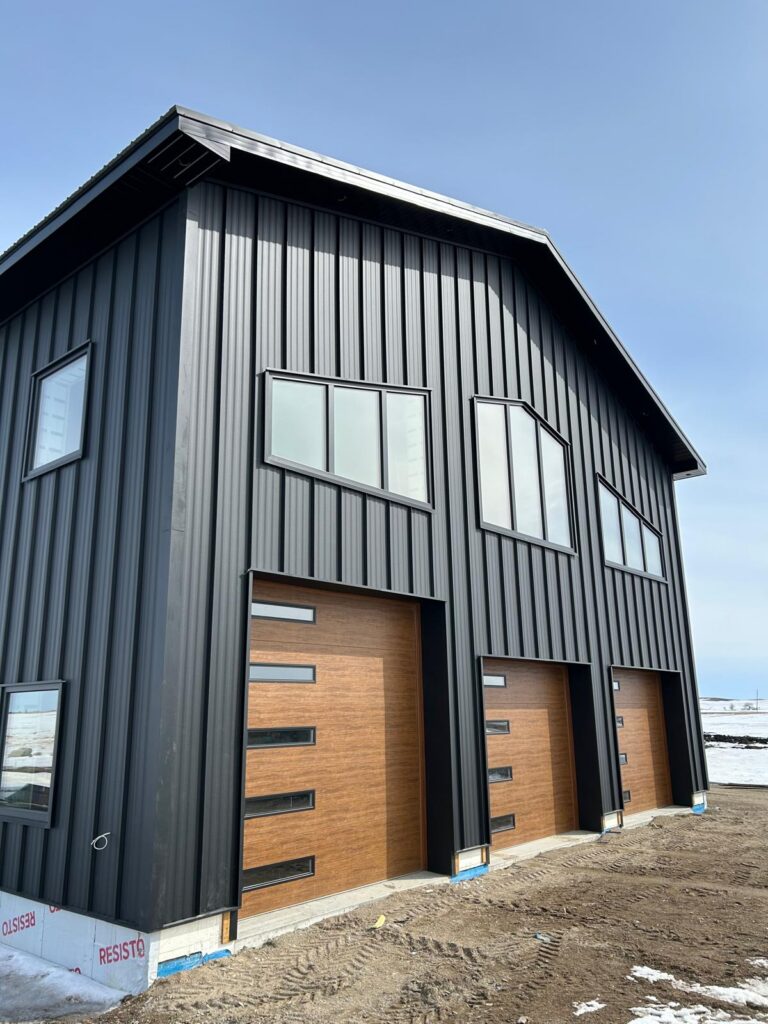
Metal has changed dramatically and is no longer just for commercial or ultra-modern buildings, with vertical panels, horizontal profiles, board-and-batten looks, and wood-look finishes that, as we’ve seen at IroSteel Ltd, work beautifully on modern builds, farmhouse-inspired exteriors, garages, shops, duplexes, and light commercial frontage. And if you’re weighing roof and siding together, the metal roof lifespan in Winnipeg matters, since a coordinated exterior usually feels more intentional and performs better over time.
How To Choose The Right Siding For Your Winnipeg Home
The right siding depends on how long you’ll stay, how much upkeep you want, the style that suits your home, and how much hidden wall work the project needs, so no single material is best for everyone. At IroSteel Ltd, we start by asking four questions:
- What’s your realistic budget?
- Do you want the lowest maintenance possible?
- Are you planning to stay long-term?
- Does your home suit a traditional, premium, or modern exterior?
From there, the pattern is usually clear: Vinyl is the practical pick for shorter ownership windows, metal deserves serious attention for a low-maintenance forever home, fiber-cement is the sweet spot for classic curb appeal, and wood still works if authentic character matters most and you’re comfortable with the upkeep. Repairability adds nuance, since vinyl is easy to swap but hard to colour-match on faded panels, wood patches readily but need paint or stain blending, fiber-cement repairs are solid but labour-heavy, and metal allows targeted panel replacement when profile and finish match. Overlay versus tear-off matters too: Metal can sometimes go over a flat, dry, sound wall, but full removal is often the smarter move in Winnipeg because it lets us inspect sheathing, correct moisture issues, improve the water-resistive barrier, and detail flashings properly, since covering a bad wall only hides it. Finally, when choosing a contractor, ask about movement allowances, fastening schedules, cut-edge treatment for steel, flashing integration, winter install practices, and warranty impact, because those answers tell you a lot.
Our 3-Step Winnipeg Siding Selection Process
Step 1: We Assess The Wall System
At IroSteel Ltd, we start by looking past the old cladding. Hidden moisture, uneven walls, failed house wrap, weak trim details, or deteriorated sheathing can make an overlay risky. In many Winnipeg projects, tear-off is the better path because it gives us a clean chance to inspect the structure and improve the drainage plane.
Step 2: We Match The Material To Your Priorities
We compare budget, style goals, maintenance tolerance, ownership horizon, repair expectations, and building type. A rental property, garage, infill home, forever home, and light commercial frontage don’t all need the same answer. That’s usually where it becomes clear whether metal is worth the premium or whether vinyl, wood, or fiber-cement is the smarter buy.
Step 3: We Plan The Details That Protect The Home
At IroSteel, we plan the system, not just the surface. Fastening patterns, expansion allowances, flashing integration, rainscreen spacing, trim transitions, cut-edge treatment, and winter install details all affect durability, sound control, and warranty protection.
Get Expert Siding Guidance And Installation From IroSteel Ltd.
Winnipeg homes need more than good-looking cladding; they need an assembly that handles movement, sheds water, dries properly, and stays dependable through Manitoba weather, which is why siding choice should be kept separate from insulation strategy, since cavity insulation, exterior continuous insulation, air sealing, and thermal bridging control usually matter more to comfort and efficiency than the cladding skin alone.
Choosing siding can feel overwhelming when every product sounds great in a brochure, so our job is to make it clear, honest, and tailored to your home. If you’re picturing an exterior that feels strong, looks sharp, and is built for Winnipeg weather, a conversation with IroSteel Ltd. is a great place to start.
FAQs About Comparing Metal Siding With Vinyl, Wood, And Fiber-Cement In Winnipeg
Is metal siding a good choice for Winnipeg winters?
Yes. Metal siding is one of the strongest choices for Winnipeg winters because it handles cold, wind, moisture, and pests very well. It doesn’t rot or crack as some other materials can. The key is proper detailing behind it, especially flashing, drainage, and fastening.
What is cheaper in Winnipeg: metal siding or vinyl siding?
Vinyl is usually less expensive upfront. Metal costs more at the start, but many homeowners see better long-term value because maintenance costs and replacement risk are usually lower over time.
Does metal siding require less maintenance than wood or fiber-cement?
Yes. Metal typically needs less upkeep than wood and less repainting than fiber-cement. Wood requires the most maintenance in Winnipeg’s climate.
Which siding lasts the longest in Manitoba’s climate?
Metal siding generally has the longest lifespan of these four common options in Manitoba, especially when it’s properly coated and installed. Fiber-cement also lasts a long time and performs well.
Is metal siding noisier than other siding materials?
Not in a properly built wall. Noise depends far more on sheathing, insulation, and the full assembly than on the cladding alone. In most homes, rain and hail sound concerns are much smaller than people expect.
Can metal siding match traditional or modern home designs in Winnipeg?
Yes. Metal works beautifully on modern and transitional homes, and newer profiles and wood-look finishes also suit farmhouse and more traditional designs.