Why Manitoba’s Extreme Temperatures Demand A Different Metal Roof Maintenance Plan
If you own a building in Manitoba, you already know your roof earns its keep. One season brings deep cold, hard wind, and heavy snow; the next brings blazing sun, sudden storms, and heat that pushes surfaces far beyond the air temperature. That swing is why maintaining metal roofs in Manitoba’s extreme temperatures needs a province-specific plan, not a generic checklist.
At IroSteel Ltd., we know steel roofing performs well in snow, wind, and tough weather, but it still needs maintenance. Manitoba’s Prairie climate creates thermal expansion, thermal contraction, and ongoing thermal movement that stresses panels, roof flashing, fasteners, panel seams, and sealant over time.
Metal roofs are low-maintenance, not no-maintenance. In Manitoba, that means planning for heavy snow load, ice dams, ultraviolet exposure, and reliable drainage, plus managing sudden snow release around entries, walkways, lower roofs, and parking areas.
We help property owners plan for metal roofing maintenance in extreme temperatures on homes, farm buildings, commercial properties, and industrial sites. A standing seam metal roof is especially well-suited to temperature swings because it allows controlled movement better than rigidly fixed systems, and proper underlayment, attic airflow, and snow guards help preserve performance. Take a closer look at our approach to metal roofing maintenance in extreme temperatures; this is where long-term performance starts.
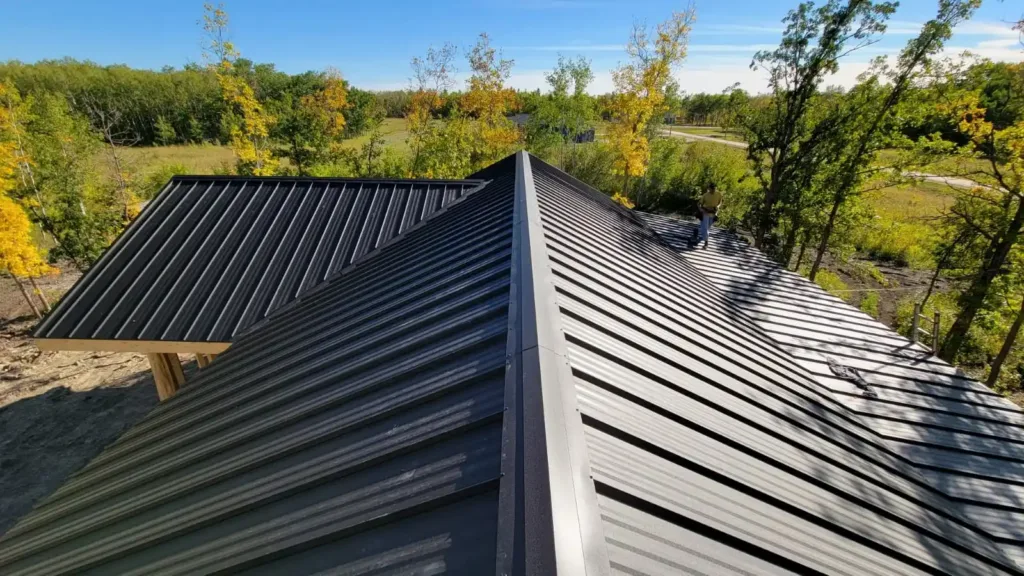
Seasonal Metal Roof Maintenance Checklist For Manitoba Homes And Buildings
A Manitoba roof needs attention in every season because each season leaves behind different stresses. At IroSteel Ltd., we recommend professional roof inspection visits twice a year: Once in early spring after thaw and again in late fall before freeze-up.
| Season | What To Check | Why It Matters |
| Spring | Ice dam damage, flashing, loose panels, dents, blocked gutters, attic moisture, ceiling stains, snow guard attachment points | Freeze-thaw cycles and snow weight usually show their damage after melt |
| Summer | Coatings, scratches, sealants, panel movement, roof penetrations, heat-stressed trim, corrosion near debris traps | Heat and ultraviolet exposure dry out sealants and stress details |
| Fall | Gutters, downspouts, snow guards, drainage paths, attic ventilation, overhanging branches, loose fasteners | Clear drainage and snow retention matter before heavy snow arrives |
| Winter | Ground-level visual checks, drifting, sliding snow, ice buildup at eaves, blocked downspouts, and dangerous overhangs | Snow loads and ice can become safety and leak risks quickly |
Spring is the time to look for loosened panels, split sealant, distorted flashing, seam separation, blocked valleys, and moisture in insulation. Summer is when heat damage shows up, including cracked sealants, branch abrasion, trapped debris, and early corrosion or rust near cut edges or standing water.
Fall is prep season: Clear gutters and downspouts, confirm drainage, secure snow guards, trim branches, and make sure attic airflow isn’t blocked. Winter monitoring should stay safe and simple; a roof rake used from the ground is far better than walking a slick roof, and snow guards help reduce dangerous sliding.
At IroSteel Ltd., we also remind owners that the metal roof lifespan in Winnipeg depends heavily on routine care, especially after severe winters and hot summers. You can see how that plays out over time in our guide to metal roof lifespan in Winnipeg.
How Snow, Ice, And Freeze-Thaw Cycles Affect Metal Roof Performance
Snow on a metal roof isn’t just heavy. In Manitoba, it drifts, melts, refreezes, and sometimes releases all at once, creating uneven loads and sudden sliding on smooth panels.
At IroSteel Ltd., we treat snow management as part of preventive maintenance. Snow guards help control sliding snow and ice above entrances, walkways, driveways, decks, lower roofs, and parking areas, while eaves, valleys, penetrations, and transitions are the first places to watch for repeated melt and refreeze.
Heavy ice buildup can trap water and force it under the roof system, leading to stained ceilings, rotting wood, and major repairs. If you see deep drifting, sagging, recurring leaks, loud popping, or snow piling above vulnerable entries, bring in a professional; structural risk should be judged by a qualified roofer or engineer, especially on larger commercial roofing and agricultural buildings.
For homeowners, keep it simple:
- Safe for you: Ground-level visual checks, clearing downspouts, using a roof rake carefully from the ground, documenting changes with photos
- Call a pro: Thick ice at eaves, uneven drifting, recurring ice dams, active leaks, snow over entrances, or buildup that can’t be safely reached
Don’t chop ice off metal panels or scrape the finish with metal tools. If snow or ice isn’t safely reachable from the ground, stay clear of eaves and call for professional help.
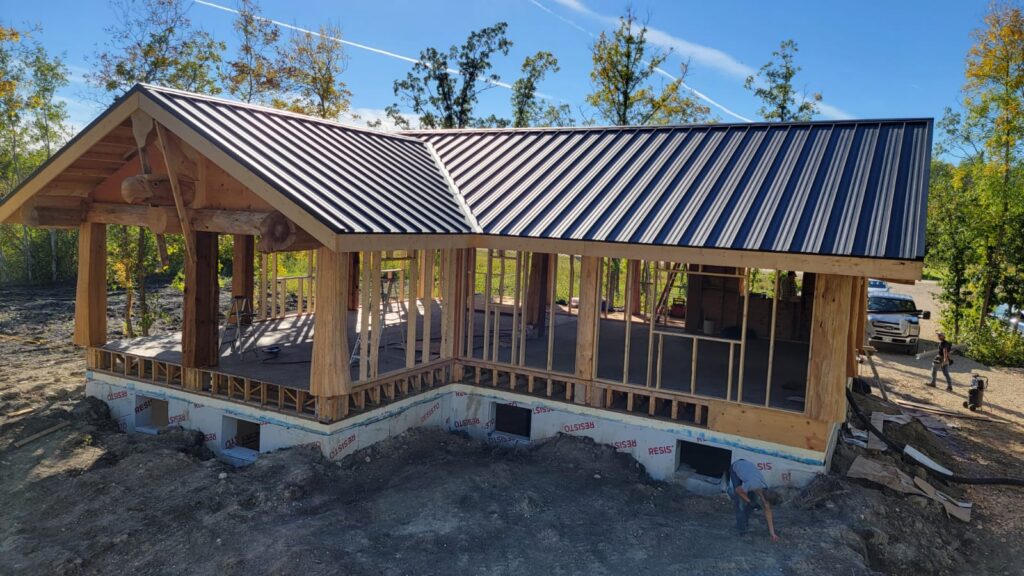
Preventing Condensation, Leaks, And Fastener Problems In Metal Roofing
Not every drip means a roof leak. In Manitoba, some of the biggest metal roof problems start with condensation, when warm indoor air meets an extremely cold roof surface and moisture forms on the underside of panels.
At IroSteel Ltd., we pay close attention to attic ventilation, insulation continuity, vapour control, and underlayment because condensation control is a huge part of maintaining metal roofs in Manitoba’s extreme temperatures. Condensation often shows up as damp insulation, frost under panels, musty attic smells, rust below the panel line, or staining that doesn’t match one obvious entry point, while true leaks are more likely around flashing, seams, penetrations, or drainage trouble spots.
Thermal movement matters here, too. If expansion and contraction aren’t properly accommodated, seams can stress, flashing can separate, and fasteners can back out; a floating clip system on standing seam panels handles movement better, while exposed-fastener systems usually show wear sooner at washers, screws, and panel laps.
| System Type | What Usually Fails First | What To Inspect Most Often | Typical Priority |
| Standing Seam | Flashing stress, clip-related movement points, sealant at transitions | Seams, penetrations, ridge, eaves, snow guard attachment | Seasonal plus storm checks |
| Exposed Fastener | Backed-out screws, washer wear, panel laps | Fasteners, laps, trim, sealant lines | More frequent checks |
| Agricultural Panels | Fasteners, corrosion near debris or moisture traps, interior condensation | Open spans, laps, edges, drainage, underside moisture | Seasonal plus drift checks |
Corrosion prevention matters too. Road salt, trapped leaves, farm dust, branch abrasion, standing water, and contact between incompatible metals can shorten roof life, while clear gutters, valleys, eaves, and proper edge details help prevent backup and water intrusion. We explain the basics of installing drip edge on roofs because edge protection plays a big role in resisting backup and water intrusion.
When To Schedule A Professional Metal Roof Inspection In Manitoba
A good rule is twice a year, plus after major weather events. Manitoba owners benefit from that schedule because roofs here deal with deep cold, hot summers, prairie wind, and heavy snow in the same year.
At IroSteel Ltd., we recommend booking an inspection after winter thaw, before winter freeze-up, after major windstorms, and anytime you notice warning signs like interior stains, rattling panels, loose trim, recurring ice buildup, or drainage that isn’t working properly. After high winds, we check ridge caps, edge metal, gable trim, exposed screws, sealant tears, panel flutter signs, snow-retention components, and flashing around vents, chimneys, skylights, and wall transitions.
A professional inspection should include:
- Exterior review of panels, seams, fasteners, flashing, trim, gutters, downspouts, and snow guards
- Interior review for attic moisture, condensation signs, damp insulation, and water staining
- Drainage and slope assessment to spot pooling or backup risks
- Photo documentation for maintenance records, insurance support, and year-over-year comparison
At IroSteel Ltd., we also encourage owners to keep a simple maintenance log with the inspection date, recent weather event, photos, issues found, and repairs completed. Do-it-yourself (DIY) roof access in winter is risky; if snow or ice can’t be safely removed, or drifting raises structural concerns, call a professional.
Protect Your Metal Roof Year-Round With IroSteel Ltd.
A quick patch from the hardware store can feel like an easy win, but it doesn’t fix the reason the problem started. It won’t correct thermal movement, improve ventilation, rebalance drainage, or solve recurring snow-slide hazards.
Store-bought fixes can slow a drip for a short time, but they can’t tell you whether the issue started with backed-out fasteners, stressed flashing, failed sealant, trapped condensation, or movement at a panel lap. At IroSteel Ltd., we inspect the full system, not just the symptom, so you get a maintenance plan that fits your roof type, building use, and exposure.
Our straightforward 3-step roof care process helps keep things clear and practical:
Step 1: Inspect The Whole System
At IroSteel Ltd., we check panels, seams, flashing, fasteners, trim, drainage, and snow-retention components. We also look inside for condensation signs, moisture staining, and insulation issues that can quietly shorten roof life.
Step 2: Prioritize What Matters Most
At IroSteel Ltd., we separate urgent repairs from preventive maintenance. That means identifying active leaks, movement-related stress, drainage problems, corrosion risks, and snow-management gaps before they turn into bigger damage.
Step 3: Build A Manitoba-Specific Plan
At IroSteel Ltd., we tailor recommendations to local conditions. That includes ventilation, underlayment, drip edge details, snow guard placement, maintenance timing, and system-specific care that fits Manitoba’s freeze-thaw cycle, wind exposure, and temperature swings.
Metal roofing lasts 40 to 70 years with regular care and performs well in extreme Canadian conditions. If your roof is showing wear, or you want peace of mind before the next season hits, a conversation with IroSteel Ltd. can help.
Frequently Asked Questions About Maintaining Metal Roofs In Manitoba
How often should a metal roof be inspected in Manitoba?
We recommend professional inspections twice a year, once after the spring thaw and once before the winter freeze-up. Add an extra inspection after major windstorms, hail, heavy drifting, or any sign of leaks or loose panels.
Can extreme cold damage a metal roof?
Cold alone usually isn’t the problem. Repeated expansion, contraction, and freeze-thaw cycles are what stress flashing, seams, fasteners, and sealants.
What is the safest way to remove snow from a metal roof?
Use a roof rake from the ground. Avoid walking on the roof, using metal tools, or chopping ice off panels.
Do metal roofs need maintenance even if they are durable?
Yes. Regular maintenance helps prevent bigger repairs by catching drainage issues, debris buildup, and movement-related wear early.
How do I know if my metal roof has a leak or condensation problem?
Leaks usually show up around seams, flashing, penetrations, or drainage trouble spots. Condensation often appears as damp insulation, frost under panels, musty smells, or staining without a clear exterior entry point.
Are loose fasteners and flashing issues common after winter?
Yes. Winter can leave behind backed-out screws, split sealant, shifted flashing, and wear around panel laps, which is why spring inspections matter.
Should I hire a professional for metal roof maintenance & repairs?
Yes, if the issue involves unsafe access, active leaks, widespread fastener problems, flashing failure, recurring condensation, heavy snow concerns, or wind uplift. Professional help is also important when the cause isn’t obvious from the ground.